
Dental Implant Education

Am I a Candidate for Dental Implants?

Learn who may be a candidate for dental implants and how gum health, bone support, medical history, and lifestyle factors affect planning.

Sterling | Leesburg | Aldie | Winchester

Am I a Candidate for Dental Implants? from NOVA Implant & Perio Specialists
34+
Years
4
Locations
Board Certified
All periodontists

Quick Answer

What Patients Need to Know

Many adults with missing teeth can be candidates for dental implants, but the decision depends on gum health, bone support, bite forces, medical history, smoking, diabetes control, and the type of tooth replacement needed.

Patients who have been told they have bone loss may still have options. Bone grafting, sinus lift treatment, ridge augmentation, and full-arch planning can sometimes make implant treatment possible.

Key Points

  • Healthy gums and stable bone support are important.
  • Controlled medical conditions do not always prevent implant treatment.
  • Smoking can increase risk and should be discussed honestly.
  • Bone grafting may help patients with limited bone.
  • A specialist evaluation is the best way to know.

Good Candidates for Dental Implants

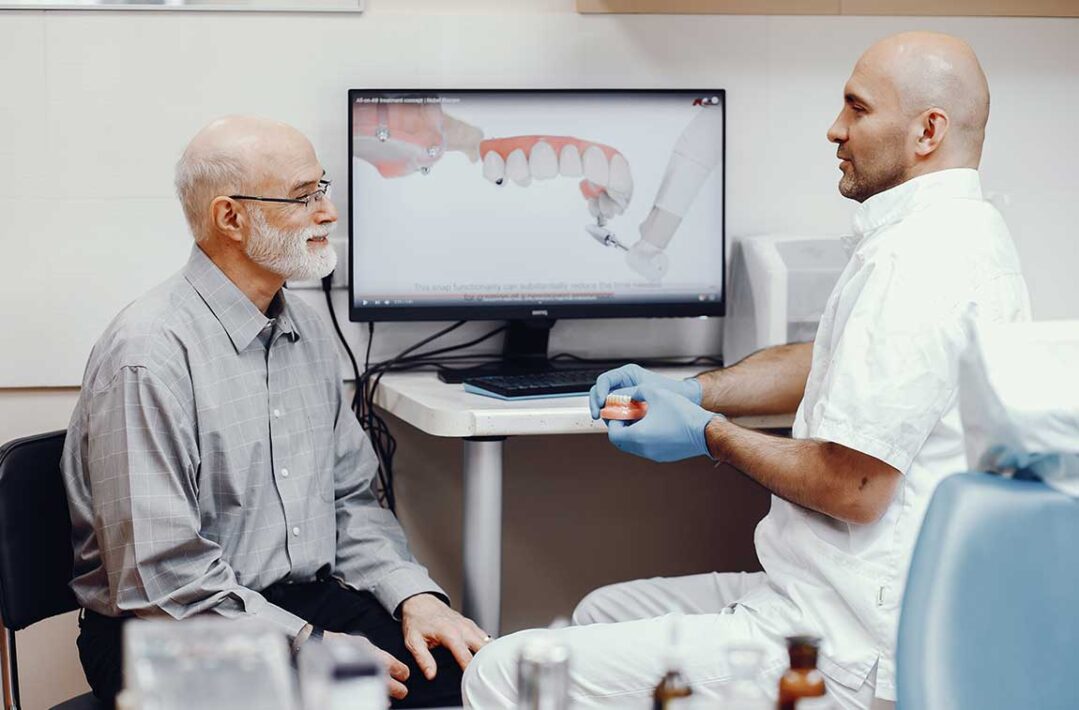
Good candidates usually have missing teeth or failing teeth, enough bone to support implants, and gums that can be made healthy before treatment. They also need to be able to maintain oral hygiene and attend follow-up visits.

Implant planning is individualized. A patient missing one tooth has different needs than a patient with loose dentures or advanced periodontal disease.

  • One or more missing teeth
  • Unstable dentures
  • Failing teeth
  • Adequate or graftable bone
  • Commitment to maintenance care

Health Factors That Matter

Medical history matters because healing is part of implant success. Diabetes, immune conditions, certain medications, smoking, and prior radiation treatment may change the plan or require medical coordination.

These factors do not automatically rule out implants, but they should be reviewed carefully before treatment begins.

What If I Have Bone Loss?

Bone loss is common after tooth loss or periodontal disease. Depending on the area, bone grafting, ridge augmentation, ridge preservation, or sinus lift treatment may help rebuild support for implants.

In some full-arch cases, implant position and prosthetic design can be planned around available bone, but the specialist must evaluate this with imaging.

Northern Virginia Implant Education

Care Across 4 Locations

NOVA Implant & Perio Specialists provides dental implant and periodontal specialty care in Sterling, Leesburg, Aldie, and Winchester. Education pages help patients prepare, but the right plan depends on a specialist evaluation with Dr. Jean-Claude Kharmouche and the periodontal team.

Implant Candidate FAQs

Answers to common questions about this dental implant topic.

Can I get dental implants if I have gum disease?

Gum disease should be treated and stabilized before implant placement. A periodontist can evaluate the gums and recommend the right sequence.

Can older adults get dental implants?

Age alone does not prevent implant treatment. Overall health, bone support, medications, and healing ability are more important.

Can smokers get dental implants?

Smoking can increase implant risks. The specialist will discuss risk reduction and whether implant treatment is appropriate.

Can I get implants if I have been told I do not have enough bone?

Possibly. Bone grafting, sinus lift treatment, or alternative implant planning may help, depending on the case.

Ready to Discuss Your Dental Implant Options?

Request an appointment to review your gum health, bone support, treatment options, timeline, and financial planning questions with the specialty team.